The Competency Evaluation and Who Conducts It
The order that sends a defendant for examination fixes who examines, for how long and in what setting. Those choices decide most of what the court will eventually receive, because the report is usually the only evidence at the hearing.
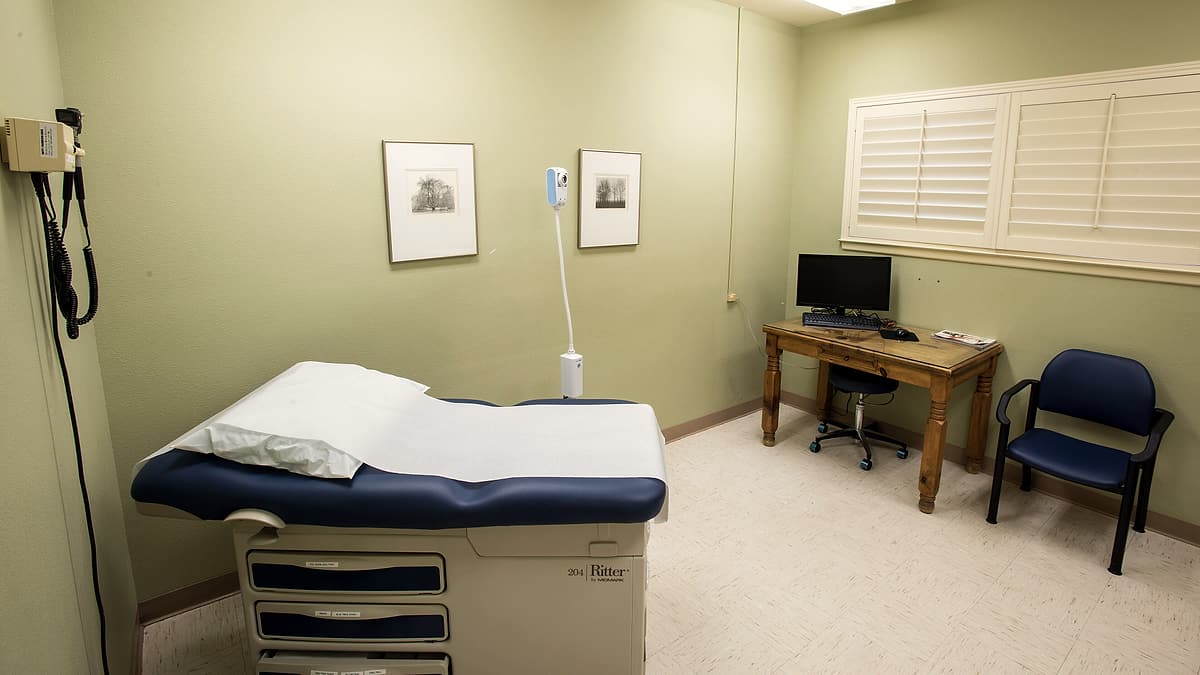
The rule in short
Federal law permits commitment for examination for a reasonable period not exceeding thirty days, extendable by fifteen, and requires the report to state the history and present symptoms, the tests used, the findings and the examiner's opinion on the statutory question. States differ on the number of examiners, their qualifications and where the examination occurs, and New York designates two with a third if they disagree.
The competency hearing is usually short because the evidence at it is usually one document. The order that produced that document therefore decides most of what the court will hear. Who examines, on what question, in what setting, for how long, and what the report must contain are all set at the moment the order issues, and each of them is worth attention before it is signed.
The order and what it fixes
Federal law permits the court, before the competency hearing, to order that a psychiatric or psychological examination be conducted and a report filed. Section 4247 supplies the limits. For a competency examination the court may commit the person to be examined for a reasonable period not to exceed thirty days, and the director of the facility may apply for a reasonable extension of no more than fifteen days on a showing that additional time is necessary to observe and evaluate.
State orders carry similar terms with different numbers. Ohio requires the examiner to file a written report with the court, under seal, within thirty days after the order is entered, and permits the court to order one or more evaluations of the defendant's present mental condition. California directs the court to appoint at least one licensed psychologist or psychiatrist, and where developmental disability is suspected, the director of the regional center or a designee.
The order should also identify the question. An order that says only that the defendant be evaluated invites a report about mental health generally. An order that asks whether the defendant can understand the nature and objective of the proceedings and assist in the defense, and if not, whether there is a substantial probability of restoration in the foreseeable future, produces a report a court can use.
Who examines
Qualification requirements vary and matter more than they appear to. New York designates two qualified psychiatric examiners through the appropriate director, and where the two disagree, the director appoints a third. California accepts a licensed psychologist or a psychiatrist. Ohio uses the defined term examiner, permits evaluation by electronic means, and provides that when multiple evaluations are ordered both the prosecutor and the defendant may recommend examiners.
That last provision is unusually useful. Where a statute allows party input on the choice of examiner, the choice is a litigable decision rather than an administrative assignment, and an examiner with relevant experience in intellectual disability, traumatic brain injury or a specific psychotic disorder will produce a more usable report than a generalist working from a checklist. Where no such provision exists, the court-appointed examiner is the only examiner unless the defense obtains its own.
| System | Examiners | Time limit | Setting |
|---|---|---|---|
| Federal | Court-designated examiner | Thirty days, extendable by fifteen | Commitment to a suitable facility for examination |
| New York | Two, with a third on disagreement | Hospital confinement up to thirty days, extendable to sixty | Outpatient, the detention facility, or a hospital |
| Ohio | One or more; parties may recommend | Report within thirty days of the order | Set by the order, including electronic means |
| California | At least one psychologist or psychiatrist | Set by the order; reporting schedule follows commitment | Set by the order, with regional center involvement where relevant |
The statutes describe hospitalization as a setting to be used when it is necessary, not as the default. New York makes the point structurally: an examination of a defendant not in custody proceeds on an outpatient basis unless confinement is essential for an effective examination, and a defendant in custody is examined at the detention facility unless the director determines hospitalization is required. A committed defendant waits for a bed, and the waiting is not counted anywhere.
What the report must say
Federal law lists the required contents. The report must include the person's history and present symptoms; a description of the psychiatric, psychological and medical tests employed and their results; the examiner's findings; and the examiner's opinions as to diagnosis, prognosis, and the specific statutory question at issue. That list is the yardstick. A report that recites a diagnosis and states a conclusion, without describing the tests used or connecting the findings to the ability to understand and assist, has skipped items the statute requires.
State lists add their own elements. Ohio requires the report to state findings and the facts supporting them and, for a competency evaluation, to address whether the defendant can understand the proceedings and assist in the defense, whether mental illness or intellectual disability is present, the likelihood of restoration and a placement recommendation. California requires the expert to address the diagnosis, the ability to understand the proceedings or assist counsel, the likelihood of attaining competence, and whether treatment with antipsychotic medication is appropriate and whether the defendant lacks capacity to make medication decisions.
That medication element deserves separate notice, because a finding recorded almost in passing in an evaluation report can become the foundation for a later order. A report stating that the defendant lacks capacity to make medication decisions is doing work well beyond the competency question, and it feeds directly into the framework governing involuntary medication.
Records supplied to the examiner shape the report as much as the interview does. An examiner who receives only the charging document and a booking sheet is working from almost nothing, and will say so or, worse, will not. Prior hospital records, school records showing special education placement, earlier evaluations, medication histories and jail medical notes are all ordinarily obtainable, and providing them converts a single interview into an assessment with a history behind it. The time to assemble them is while the examination is pending rather than after the report is filed.
After the report arrives
The report is evidence, not a ruling. The hearing that follows carries the rights the statute supplies: to testify, to present evidence, to subpoena witnesses, to confront and cross-examine, and to be represented by counsel appointed if necessary. California goes further and provides that the competence question is decided by a jury unless the defendant waives and the prosecution consents, with competence presumed unless incompetence is proved by a preponderance.
Whether to contest a report is a real decision rather than a reflex. Where the report supports the position counsel would take anyway, examining the author adds risk without benefit. Where it does not, the options are cross-examination on the omitted statutory elements, a request for a supplemental report, or an independent defense examination. What the defendant said during the examination is governed by separate rules that limit its use, treated with statements made during an evaluation, and the standard the report is measured against remains the competency standard rather than the examiner's own view of the defendant.
Points to carry away
- The federal examination period for competency is a reasonable period not exceeding thirty days, with a fifteen-day extension on a showing of good cause.
- The federal report must state history and present symptoms, tests employed and results, findings, and opinions on the statutory question.
- New York designates two psychiatric examiners and adds a third only if the two disagree.
- California requires at least one licensed psychologist or psychiatrist and directs the report to address medication and restorability.
- Ohio requires the examiner's written report within thirty days of the order and permits multiple evaluations with party input on examiners.
- Where the examination occurs depends on custody status, and inpatient placement is meant to be the exception rather than the default.
Questions readers ask
How many examiners are appointed?
It depends on the jurisdiction and sometimes on the question. New York designates two qualified psychiatric examiners and appoints a third only where the first two disagree, which builds disagreement management into the design. California requires at least one licensed psychologist or psychiatrist, adding the regional center director or a designee where developmental disability is suspected. Ohio permits one or more evaluations and allows both the prosecutor and the defense to recommend examiners when multiple evaluations are ordered. Federal practice ordinarily proceeds on a single court-designated examiner.
Must the defendant cooperate with the examination?
There is no mechanism to compel answers, and an examiner cannot force a person to speak. Refusal has consequences of its own: an examiner may report that the examination could not be completed, and a court may draw inferences or order a longer period of observation in a setting where behavior can be watched rather than asked about. Where the defendant intends to offer expert evidence of mental condition, refusing the government's examination can lead to exclusion of the defense expert under the notice rules.
What if the report does not answer the legal question?
That is common enough to plan for. Reports frequently supply a diagnosis, a treatment history and a conclusion, without connecting the diagnosis to the specific abilities the standard names. A report of that kind is weak evidence, and the remedy is either a request for a supplemental report addressing the omitted findings or examination of the author at the hearing. The statutory list of required contents is the leverage, because a report missing an item the statute requires has not complied with the order that produced it.
Sources
- 18 U.S.C. § 4247 — General provisions for chapterSets the examination periods and extensions, lists the required contents of the psychiatric or psychological report, and states the hearing rights.
- 18 U.S.C. § 4241 — Determination of mental competency to stand trialAuthorizes the court to order an examination before the competency hearing and states the finding that follows.
- Ohio Revised Code § 2945.371 — Evaluation of mental conditionPermits one or more evaluations, allows party recommendations on examiners, and requires a sealed written report within thirty days.
- New York Criminal Procedure Law § 730.20 — ExaminationDesignates two psychiatric examiners with a third on disagreement, and sets outpatient, jail and hospital settings with confinement limits.
- California Penal Code § 1369 — Trial of the question of competenceRequires at least one licensed psychologist or psychiatrist, directs the report to address restorability and medication, and provides for a jury.
- California Penal Code § 1370Sets the reporting schedule after a commitment, with a written report within ninety days and at six-month intervals thereafter.
Premier Defense Law is a publication, not a law firm. This article states general rules and cites its sources; it is not advice about any particular case, and the law differs by state and changes over time.
More in Competency & Capacity
Statements Made During an Evaluation
Federal Rule of Criminal Procedure 12.2 bars use against the defendant of any statement made during a court-ordered mental examination, of expert testimony based on that statement, and of other fruits of it, except on an issue of mental condition the defense has itself raised. A competency finding is separately inadmissible at trial. A warning is constitutionally required before an examination whose results will be used at sentencing.

Commitment After an Insanity Acquittal
Federal law commits a person found not guilty only by reason of insanity to a suitable facility and requires a hearing within forty days. The acquittee bears the burden of showing that release would not create a substantial risk, by clear and convincing evidence where the offense involved bodily injury or serious property damage and by a preponderance otherwise. States cap the commitment differently and provide for extension on a dangerousness finding.

The Insanity Defense and What It Requires
The federal formulation is an affirmative defense that the defendant must establish by clear and convincing evidence, limited to appreciation and excluding volitional impairment. State tests range from a purely cognitive inquiry to a substantial capacity formulation that includes the ability to conform conduct. Several states have abolished the defense and admit mental condition evidence only to negate the required mental state.